I still remember the first time I saved a client $2,400. My realtor friend was staring at an invoice from a physical staging company for a vacant three-bedroom home. They were charging for furniture rental, delivery, set-up, insurance, and a monthly "holding fee." I looked at the raw, high-resolution shots on his desktop, took a deep breath, and said, "Don't pay it. Let me try something."
That weekend, I dove into the world of digital overlays. After 200+ hours of testing everything from basic AI generators to high-end professional compositing, I realized one thing: the industry is riddled with "magic button" hype. But, when done right, virtual staging is the ultimate hack for real estate marketing. Today, we are breaking down the battle of virtual staging vs. traditional staging to help you decide where to put your listing budget.
The Cost Breakdown: What Are You Actually Paying For?
The financial barrier to entry is the most obvious differentiator. Physical staging is a logistical monster. You aren't just paying for the look; you are paying for the labor of moving sofas up three flights of stairs.
Virtual staging, by contrast, is a purely digital service. You are paying for a graphic artist or a sophisticated algorithm to composite high-end furniture into your existing photography. Here is how the numbers generally stack up in the current market:
Feature Physical Staging Virtual Staging Initial Cost $2,000 – $5,000+ $30 – $150 per image Recurring Fees Monthly rental fees None Turnaround 3–7 days (logistics) 24–48 hours (digital) Flexibility Low (requires move) High (change style instantly)For those looking at entry-level professional options, services like BoxBrownie typically charge between $32 and $48 per staged image. When you compare that to a $2,400 physical staging quote, the staging ROI is immediate—if the photo quality is good enough to begin with.
The Golden Rule: Did You Reshoot the Photo First?
Before you spend a single dollar on digital furniture, I have to ask: Did you reshoot the photo first?
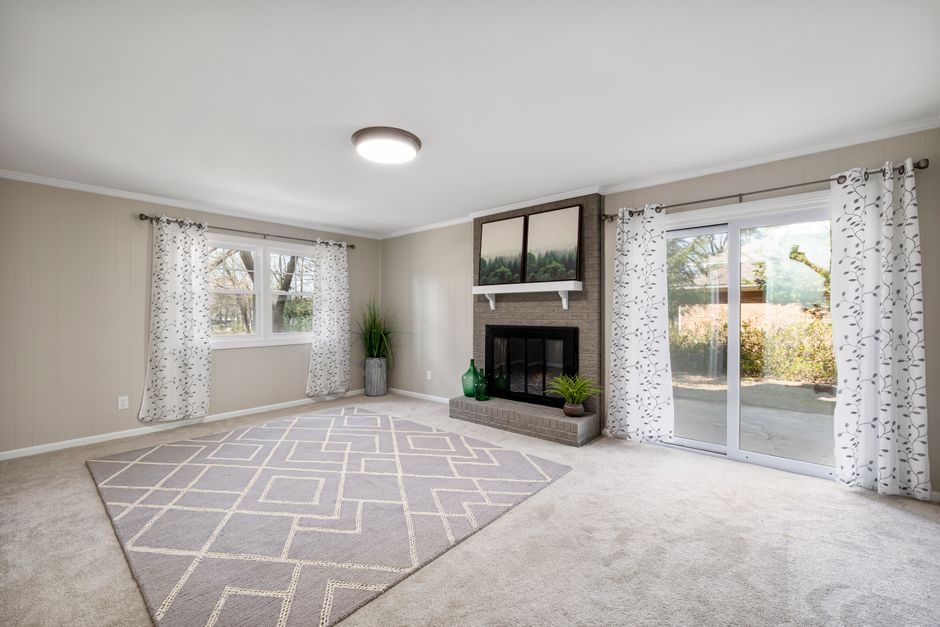
This is my biggest pet peeve in the industry. Realtors will send me a dark, blurry, wide-angle shot taken on an iPhone from 2017 and ask me to "make it look like a model home." Virtual staging is a filter, not a miracle worker. If your original photography has bad lighting, weird barrel distortion, or a massive lens flare, the furniture will look like it’s floating in a void.
My "Rooms That Break AI" List (and why you need a professional photographer):
- Dark Rooms: AI struggles to calculate ambient light bounces. If the room is dark, the "staged" furniture looks like a sticker placed on a black background. Narrow Kitchens: The perspective math gets wonky. You end up with a dining chair that looks five feet wide. Awkward Angles: If your photo is taken from a weird crouched position, the perspective lines will never match the furniture catalog, leading to that "floating" look everyone hates.
Photo Realism: Shadows, Scale, and the "Uncanny Valley"
The reason cheap virtual staging looks "fake" comes down to two things: Shadow integration and Object scale. When I review a vendor's work, I check the shadow cast by the base of the chair. If it doesn't match the light source of the window in the photo, the human brain instantly registers "this is a fake."

Physical staging wins on realism because the furniture actually occupies best-virtual-staging-softwares.mystrikingly.com the space. You can walk around it. You can see the texture of the fabric. However, if you are working with a reputable digital artist, they will manually mask the shadows to match the room's natural light. Always ask for a portfolio of their work before committing. If their samples show floating chairs or furniture that looks like it belongs in a dollhouse, run away.
Turnaround Times and Listing Deadlines
Real estate is a game of 48 hours. You get the listing, you prep the house, and you need it live by Thursday afternoon for the weekend traffic.
Physical staging requires coordinating with movers, waiting for availability, and hoping they have the right pieces in stock. Virtual staging fits into your 24 to 48-hour window. You upload your raw files on Monday, and you have your high-res, staged images ready to upload to the MLS by Wednesday morning. This speed is the greatest advantage for agents who don't have the luxury of time.
MLS Workflow and Disclosure Rules
We need to talk about ethics. In many states, the MLS has strict rules regarding "virtually staged" photos. Ignoring these rules isn't just annoying; it’s a liability.
Best Practices for Virtual Staging Disclosure:
Labeling: Always mark the photo as "Virtually Staged" in the image description field of the MLS. The "Before/After": Some agents like to provide the empty room photo as the first slide and the staged version as the second. This builds trust with buyers. Full Disclosure: Make sure the disclosure is in the listing remarks. Never try to pass off a virtual stage as a physical one.The Verdict: When Should You Use Which?
Is virtual staging worth it? Yes, but only if you are starting with high-quality, professional base photography. If you are selling a luxury property where the sensory experience (the smell of the home, the feel of the carpet) matters, stick to physical staging. If you are selling a vacant, average-priced home and you need to get it on the market by Thursday, virtual staging is the most cost-effective tool in your kit.
Stop paying for furniture rentals when you have a perfectly good room, a wide-angle lens, and a 48-hour deadline. But please—do me a favor— reshoot the photo first.