If you’re a homeowner in Solihull wondering whether to move up the property ladder or extend your current home, you’re not alone. The Solihull price gap between existing homes and larger, more desirable properties is pushing many to choose extending over relocating. As the Office for National Statistics (ONS) prepares to release its May 2026 local house price breakdowns, it’s a great time to understand which type of extension could truly add a fourth bedroom and bathroom and help you move into a new search bracket where buyers often filter by bedrooms.
In this post, we’ll break down extension costs by size and type (single vs two-storey), highlight the hidden moving costs that add none of the space you want, and guide you through important planning checks with Solihull Council.
Why Extend in Solihull? The Price Gap Explained
Solihull’s property market is experiencing a widening price gap. According to the last data release by the ONS, larger homes with additional bedrooms are commanding a premium not matched by nearby smaller properties. This creates a strong incentive to extend your current home rather than move, as moving often means paying stamp duty, agents’ fees, and legal costs — none https://smoothdecorator.com/building-regs-vs-planning-permission-what-is-the-difference-for-extensions/ of which increase your living space.
- Stamp Duty: For many, moving up the market involves a 2-5% tax on the property price, easily adding thousands to moving costs. Agent and Legal Fees: Can cost up to 2% of the property price, again with no added space. Mortgage Arrangement Fees and Survey Costs: Additional outgoings that come with moving.
In short, the money you spend moving in Solihull often doesn’t directly increase your family’s living space, which is why “extend, not move” is more common than ever.
Understanding Extension Types: Single vs Two-Storey
The most valuable extension for adding bedrooms and bathrooms in Solihull tends to be a two-storey build. Here’s why:

*Added value based on resale uplift relative to build costs, according to local Solihull data and Checkatrade tradespeople quotes.
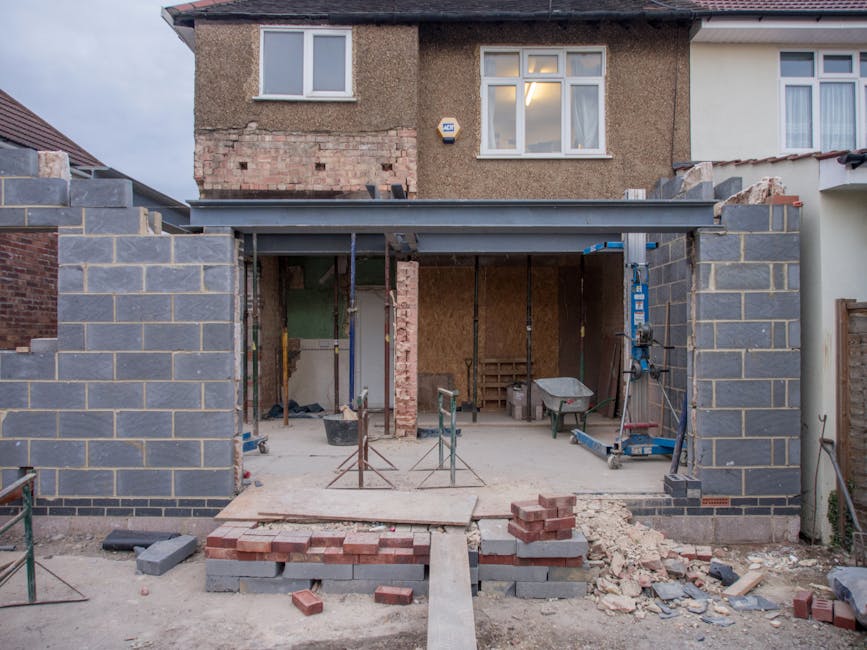
A two-storey extension adds significant value because it increases bedrooms and bathrooms — both critical filters for buyers in Solihull’s competitive market. Buyers filtering by bedrooms often have a minimum set at four, so adding that fourth bedroom and a bathroom can move you into a new search bracket, commanding a premium price.
What People Forget to Budget For
- Planning fees: Solihull Council charges approximately £206 for full householder planning applications. You can confirm exact fees on their website. Party Wall Agreements: If your work affects adjoining properties, legal agreements and fees may apply. Contingency: Always allocate at least 10-15% extra of your total budget for unexpected costs. Professional fees: Architects, structural engineers, and surveyors will add costs but are crucial for smooth planning and build stages.
Planning Permission and Permitted Development in Solihull
Before you start your extension, check the Solihull Council pre-application enquiry service. This tool lets you verify whether your planned extension requires full planning permission or falls under permitted development rights — which generally allow smaller extensions without a full application.
Common guidelines:
- Single-storey rear extensions can often be done under permitted development if they don’t extend beyond 3 metres for attached homes or 4 metres for detached. Two-storey extensions almost always require full planning permission due to their scale. Conservation areas and Article 4 directions can limit or remove permitted development rights.
Using the council’s planning application and permitted development checks will prevent costly surprises and delays.
Estimating Moving vs Extending Costs in Solihull
The less spoken about but equally important factor is the hidden cost of moving that doesn’t add living space but quickly eats into your budget. Let’s break down typical costs for a £400,000 property aiming to buy something larger in Solihull:
Cost Type Typical Cost Notes Stamp Duty Land Tax £10,000 - £15,000 2.5-3.75% on property value above £250k Estate Agent Fees £6,000 - £8,000 1.5-2% on sale price Legal Fees £1,000 - £2,000 Costs for conveyancing on sale and purchase Removal Costs £500 - £1,500 Depends on size and distance Survey Fees £400 - £800 Necessary for mortgage approvalIn total, moving can cost upwards of £18,000 - £26,000 without increasing your home’s footprint — a cost that could instead go towards an extension adding that crucial fourth bedroom and bathroom.
How to Choose Trusted Builders in Solihull
Quality matters for any extension project. Platforms like Checkatrade and MyJobQuote are excellent resources to find vetted local tradespeople offering transparent quotes. Always sanity-check costs per square metre and confirm quotes explicitly include VAT to avoid surprises.
Look for builders who provide a detailed schedule of works 30 sqm extension cost and realistic contingency plans. Avoid vague estimates — a good builder will break down costs in line with current Solihull market rates.
Final Thoughts
To add the most value in Solihull, opt for a two-storey extension that adds a fourth bedroom and bathroom. This entices a broader pool of buyers who filter by bedroom count, potentially moving your home into a more lucrative market segment.
Always use Solihull Council’s online pre-application enquiries and permitted development tools to check your eligibility before beginning work. And, critically, factor in all the hidden costs: from planning fees and professional charges to unexpected contingencies.
By weighing extension costs against moving expenses — especially stamp duty and fees that do not add space — extending your current home often emerges as the financially savvy way to secure your dream living space in Solihull.